Challenge
In Finland, you can take part in FIRST® LEGO® League in 2 ways: register a team for official tournaments through the League (Team participation), or run the program in your classroom and organize an internal school tournament through Classroom.
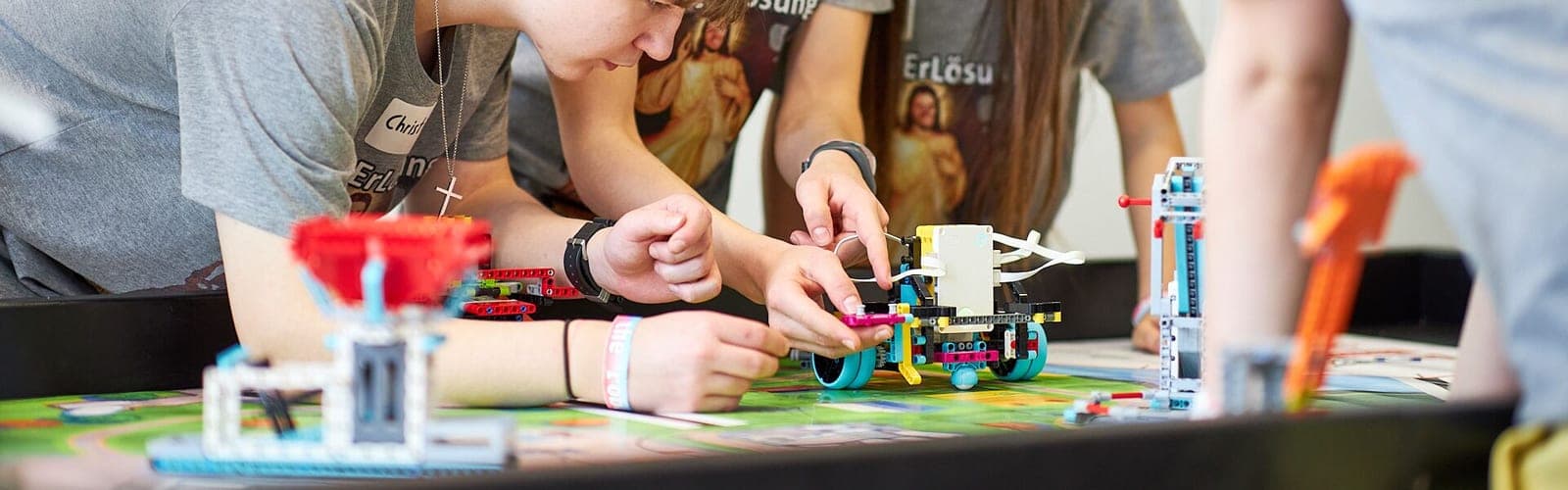
Passion for STEM — built through challenge
FIRST® LEGO® League Challenge is designed for students aged 9 to 16. Each year, participants work for several weeks, either as a team or as a class, tackling a shared project like real creatives, engineers, and performers.
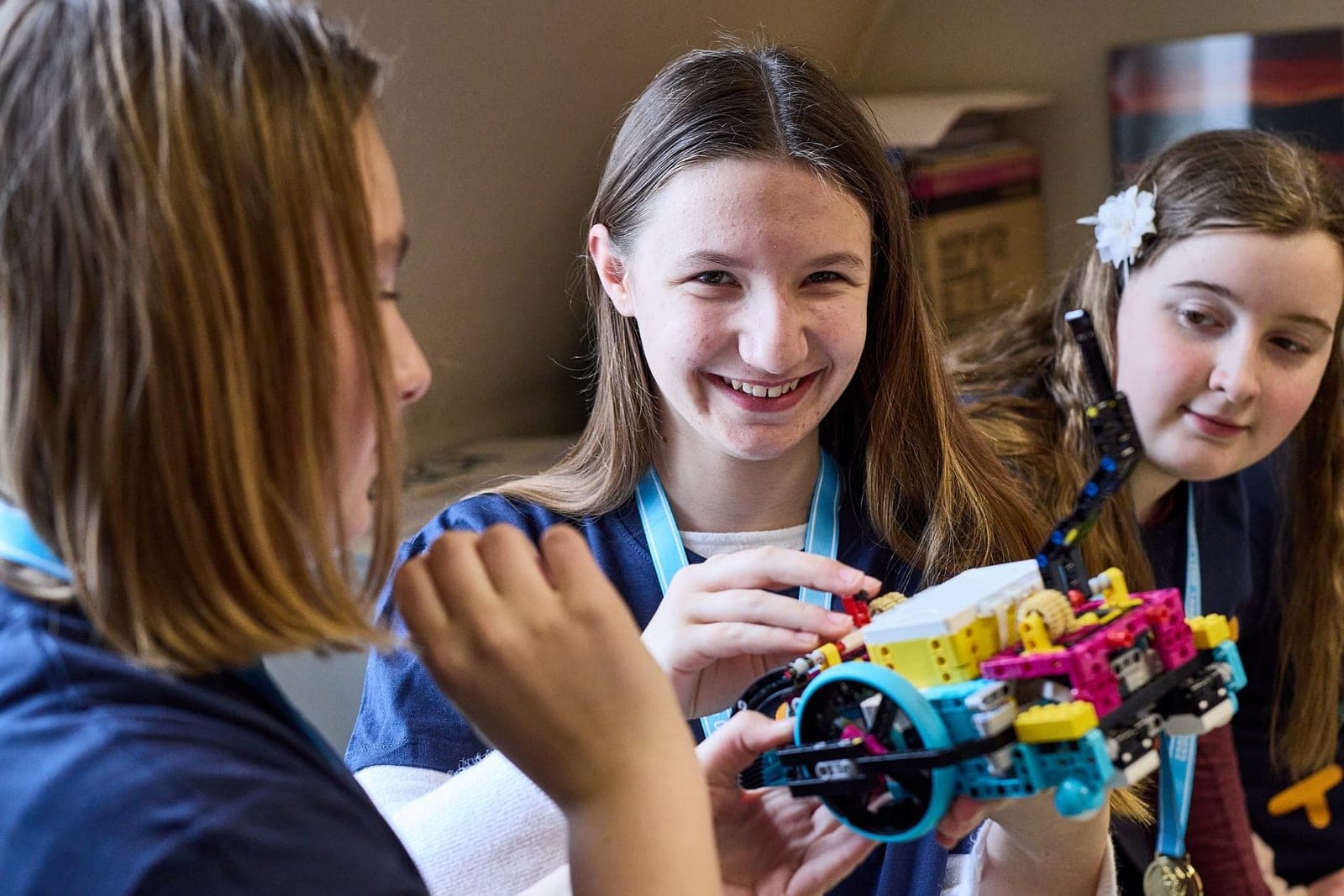
They plan, design, and program an autonomous LEGO® Education robot, conduct research on a self-chosen topic, and create a presentation of their findings.
The FIRST® Core Values - respectful interaction, shared experiences, and critical thinking - are at the heart of the program. After weeks of preparation, teams compete in regional and national tournaments to present their solutions.
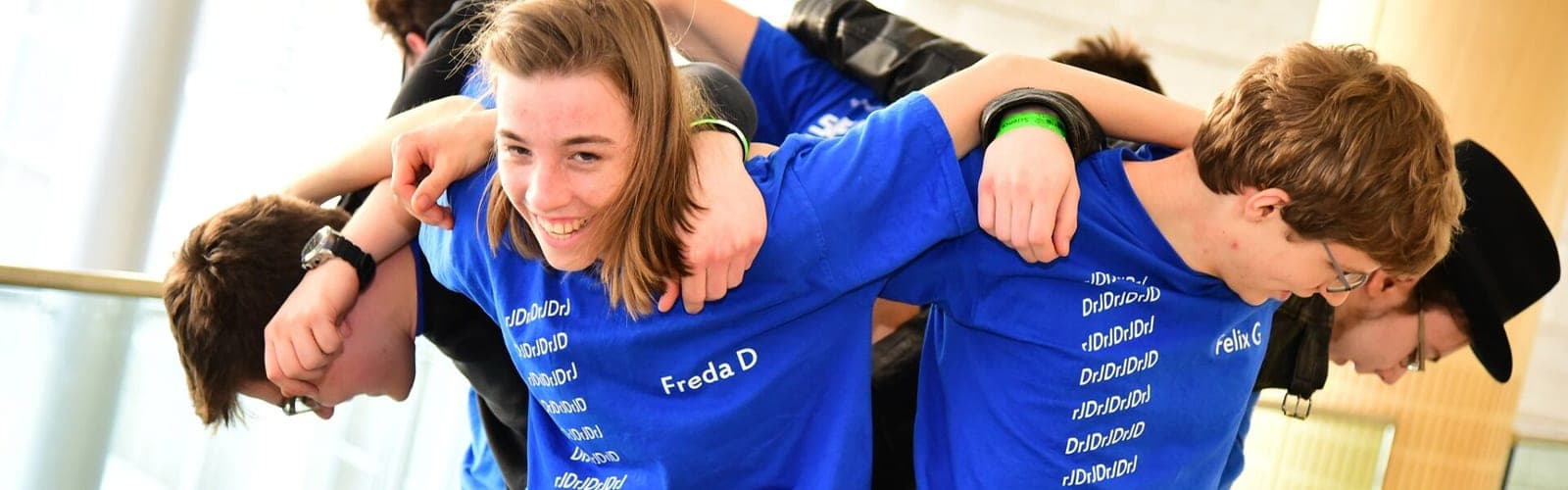
Team, class,
or school — you choose
Official regional tournaments are held across Finland each year, with qualifying teams advancing to the national final. To participate, register your team in League.
Choose Classroom to use the program within your school, work at your own pace, and decide later whether your students are ready for regional and national tournaments.
We recommend starting early and spending at least 2 hours per week for 8 weeks. Alternatively, the program can be delivered as an intensive 2-3 week project.
Join official FLL tournaments
A team consists of 4 to 10 children aged 9 to 16 and is guided by at least one adult coach, such as a teacher or parent. Teams can form at schools, libraries, clubs, or privately.
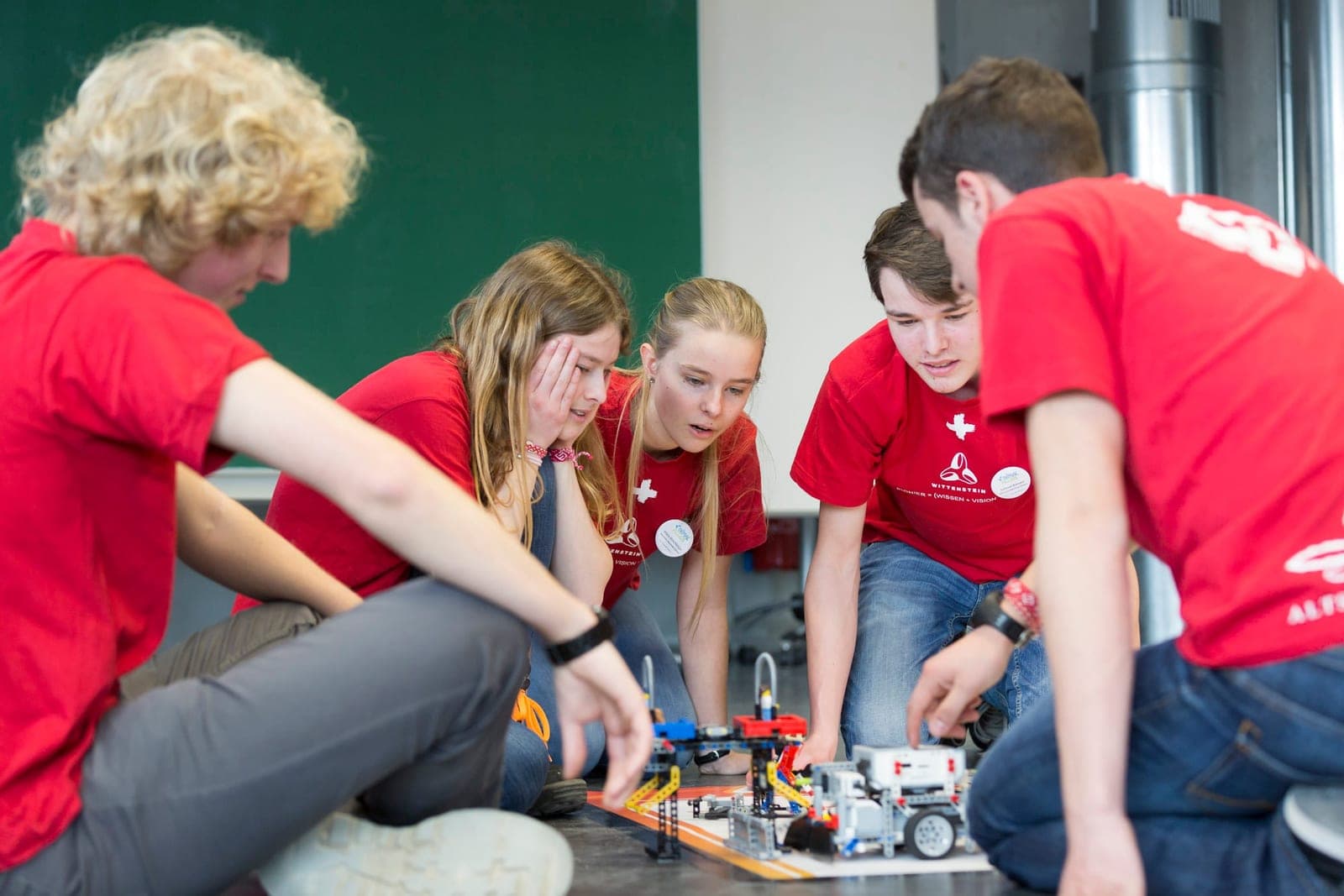
Over a period of at least 8 weeks, students meet regularly to research, build, and program together. At the end of the season, teams present their results at a regional qualifier, where judges evaluate them across multiple categories.
The best teams qualify for the national championship held in spring 2027.
Curriculum integration
Can be integrated into regular lessons
Team size
4–10 students, aged 9–16 + at least 1 adult coach
Registration and preparation
Registration deadline: November 2026. Minimum 8 weeks of preparation
Permitted LEGO robotics sets
SPIKE Prime, SPIKE Essential, EV3, Robot Inventor, Powered Up, NXT and RCX
Required equipment
1 seasonal Challenge Set (could be shared with other teams) + at least 1 robotics set (recommended: 1 set per 4 children) + 1 game table
Registration fee
From €184 (€144 + €8 per team member)
Run FLL in your classroom
For school classes, FLL Challenge offers a flexible solution. Teachers can integrate the program into regular lessons, extracurricular activities, or elective courses, allowing the entire class to work in small project teams.
Students collaboratively research the annual theme, build and program LEGO robots, and solve seasonal tasks. The project culminates in an internal school competition where students present their projects and compete in a robot game.
Classes may also nominate a selected team to compete in an official regional tournament — giving students a chance to connect with others and showcase their projects to a wider audience. An additional €8 is charged per student and adult team member.
Curriculum integration
Can be integrated into regular lessons
Any class size
Flexible: work as 1 class or in smaller teams
Registration and duration
School classes can register year-round and complete the programme at your own pace. Recommended duration: 8-12 weeks at 2 hours per week.
Permitted LEGO robotics sets
SPIKE Prime, SPIKE Essential, EV3, Robot Inventor, Powered Up, NXT and RCX
Required equipment
1 seasonal Challenge Set (could be shared with other teams) + 2-6 robotics sets (recommended: 1 set per 4 children) + 1 game table
Registration fee
€144
Register for the 2026/2027 season
Registration for the 2026/2027 BIOGLOW™ season is open now. Team registration in the League closes at the end of November 2026, subject to regional capacity. School classes have the flexibility to register year-round and can integrate the program into their curriculum independently of tournament dates.
League participation, for teams entering official tournaments, costs €144 + €8 per student and adult team member. Classroom participation costs only €144 per class. Both formats include access to season materials and ongoing support. The League fee also includes a T-shirt for each registered team member.
Both League and Classroom participants need access to 1 seasonal Challenge Set, compatible LEGO robotics sets, and a game table. Equipment may be shared between teams or classes. We recommend at least 1 robotics set per 4 students.
Questions? Contact us at league@auroramath.fi
League registration open
Now — closes end of November 2026
Class registration
Open year-round
Regionals
January–March 2027
Nationals
March-April 2027
Everything your
team needs to compete
We aim to make participation as easy as possible. Here's what you'll need to get started.
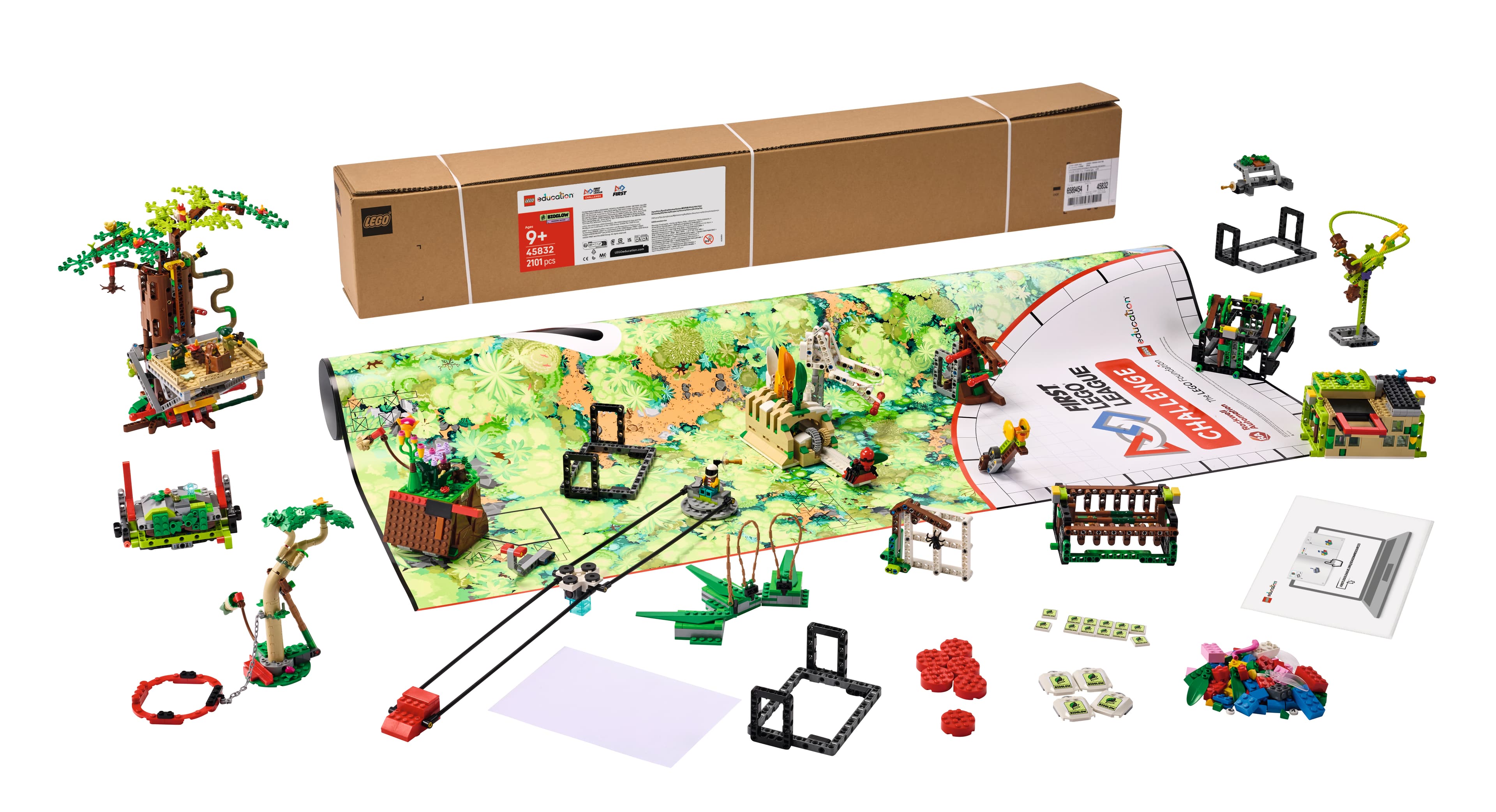
Challenge Set
The Challenge Set includes LEGO bricks, building instructions, and a playmat. Brick models are placed on the mat to create the environment where your team's robot operates.
Each team and class requires their own Challenge Set. We also provide accompanying guides for coaches and students — digitally for teams, printed booklets for classes.
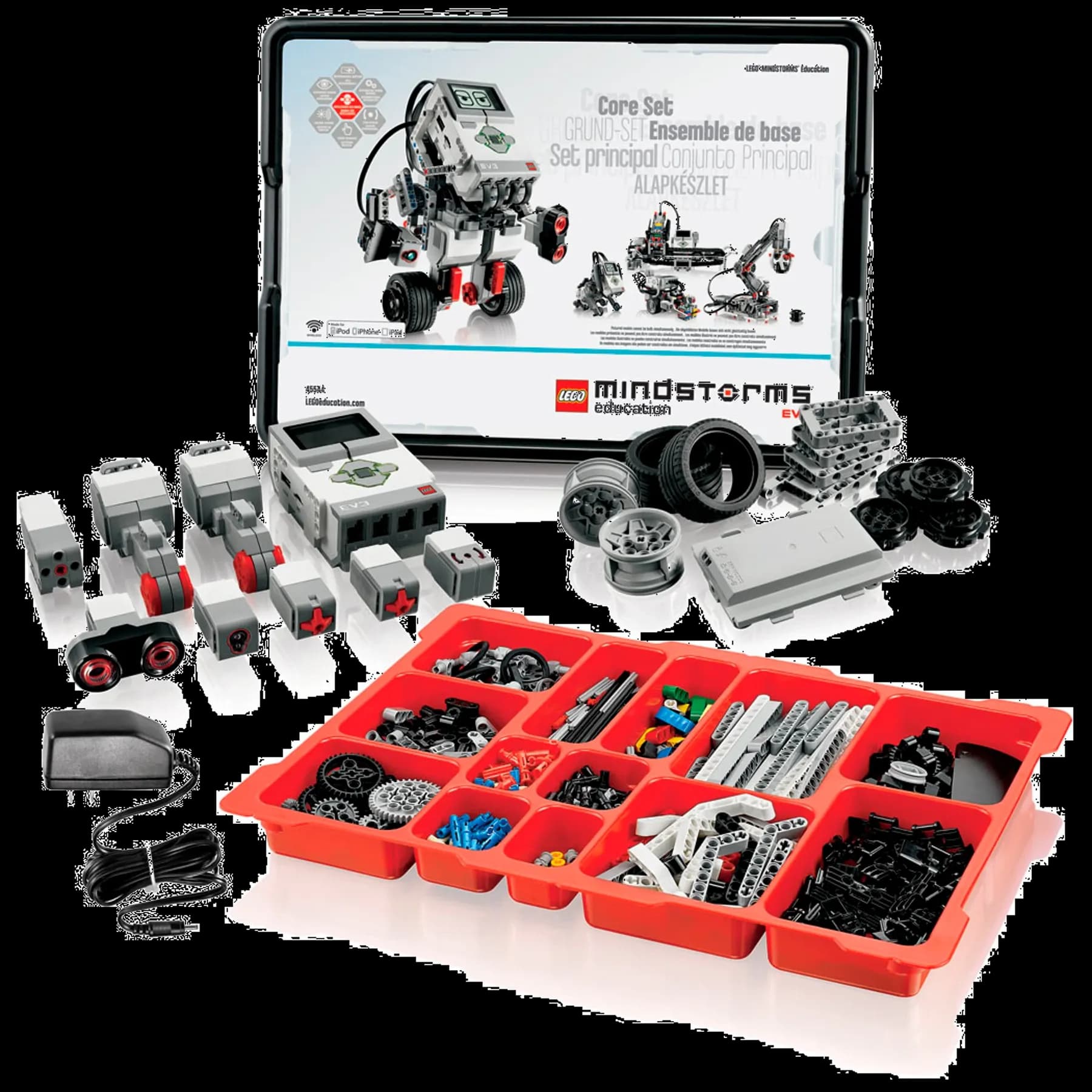
Use the LEGO robotics sets
you already have
Each team needs at least 1 LEGO robotics set in addition to the Challenge Set. You may use SPIKE Prime, EV3, Robot Inventor, Powered Up, NXT, RCX, or other compatible LEGO components. Older equipment is fully welcome if it works for your team.
For classroom use, 2–5 sets are recommended. Existing equipment can also be reused for other robotics, engineering, and creative projects.
Please note that LEGO League Challenge will end after the 2027/2028 season and will not continue in 2028/2029. Consider this before purchasing equipment solely for the Challenge format, and explore the possibility of joining the Future Edition.
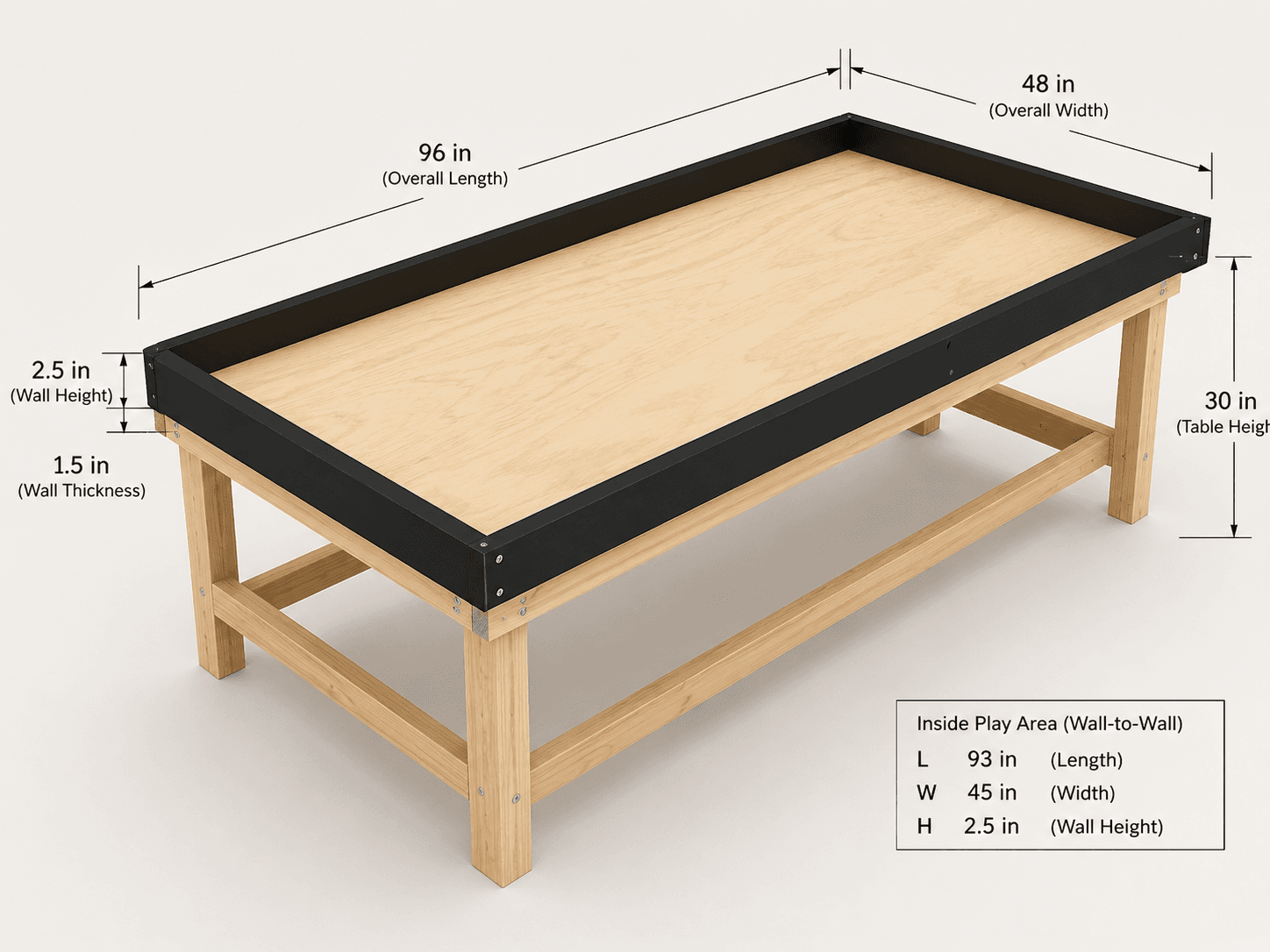
The Game Table
The Challenge Set playmat and LEGO models need to be placed on a special table with a border — ensuring your setup is stable and matches competition conditions.
We provide free building instructions for both a sturdy standard table and a practical foldable version, so you can easily set up and pack down your playing field wherever you train.
FIRST LEGO League Challenge - 2026/27 - BIOGLOW - Robot Game Missions
Six ways teams
earn recognition
At a tournament, teams are evaluated by judges and referees across six categories. The focus is always on the learning process, teamwork, and creative problem-solving.
Robot Game
Scored based on the robot's performance on the Challenge game field — completing missions autonomously within the time limit.
Innovation Project
Evaluated on the quality of research, the innovation of proposed solutions, and the creativity and clarity of the team's presentation.
Robot Design
Judges assess how innovative, robust, well-constructed, and effectively programmed the robot is — including the team's design process.
Core Values
Recognizes teams that demonstrate enthusiasm, gracious professionalism, and exceptional respect for other teams and participants.
Coaching Award
Celebrates coaches who show outstanding commitment and dedication to guiding and developing their team throughout the season.
Champion's Award
Awarded to the team with the best overall performance across all categories — the highest honor at a FLL Challenge tournament.
Developing problem-solvers through real science
In FLL Challenge, participants dive into the world of science and technology. By designing and programming, they develop problem-solving skills, strengthen team spirit, and nurture their curiosity.
Students gain confidence, learn to collaborate under pressure, and leave with a love of learning that goes far beyond the competition floor.
About Aurora Math ry →FLL Challenge
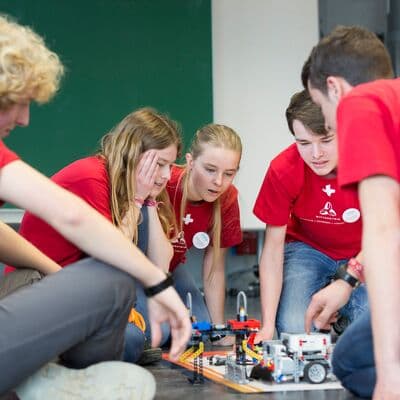
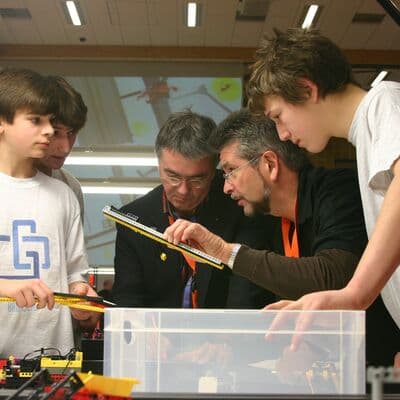
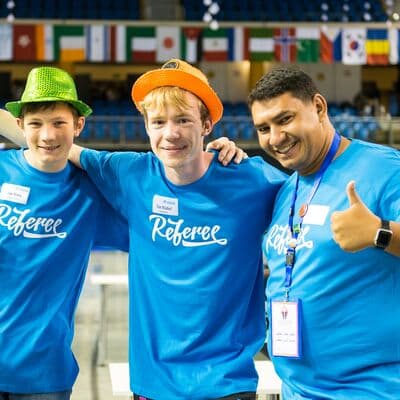
in action

What teams explore
this season
Marine Ecosystems
Bioluminescent creatures of the deep sea and ocean health.
Forest Biodiversity
How forests host thousands of species and why diversity matters.
Microorganisms
Tiny glowing organisms and their role in larger ecosystems.
Bioinspired Tech
How nature's light inspires sustainable technologies and innovations.
Plant Life
Plant diversity, pollination networks, and ecosystem resilience.
Pollinators & Insects
The vital role insects play in sustaining biodiversity.
Climate & Change
How climate shifts affect ecosystem diversity and balance.
Urban Biodiversity
Creating space for nature in cities and towns.
Common questions
Join the FLL Challenge!
Sign up now and dive into the exciting world of science and technology.